See what your blood tests can't.
Advanced metabolic health assessment using abdominal MRI.
I use medical imaging, metabolic biomarkers and evolutionary medicine to identify visceral and ectopic fat — and help patients understand what's happening beneath the surface.
[ EXPLORE MRI ASSESSMENTS ]
[ GET THE FREE METABOLIC SCORECARD ]

Your weight is not your metabolic health.
Routine blood tests provide important biochemical clues. But they cannot directly show where fat is stored.
Visceral and ectopic fat can accumulate around organs, within the liver and within muscle — including in people who don't appear overweight.
MRI gives us another view: metabolic anatomy.
WHY VISCERAL FAT MATTERS →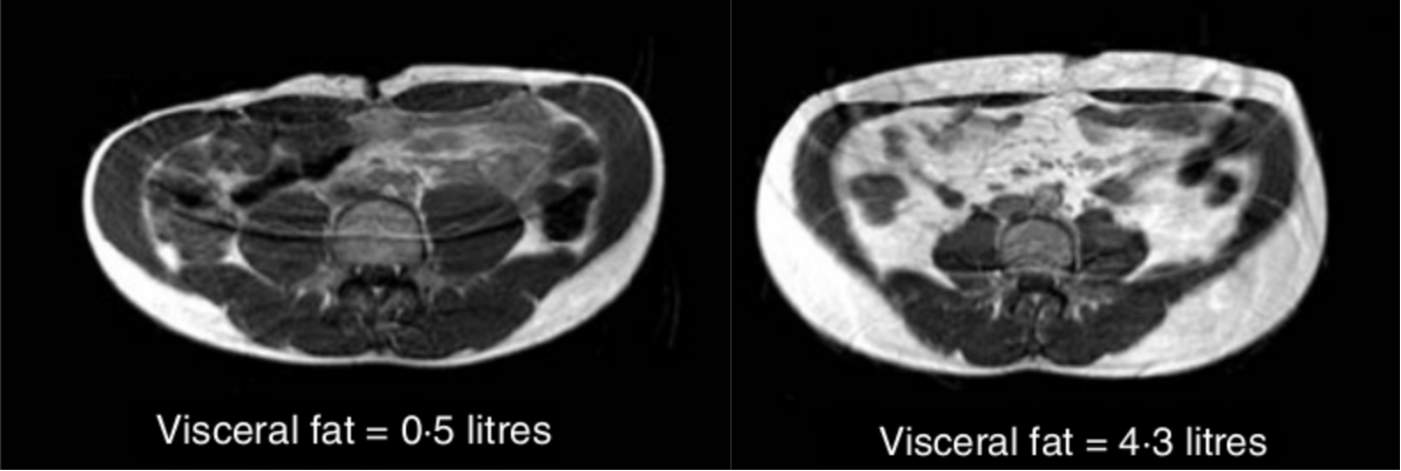
Visceral Snapshot
See what's happening beneath the surface.
A focused assessment for people wanting to establish their structural metabolic baseline.
✓ Non-contrast abdominal MRI
✓ Visceral + subcutaneous fat assessment
✓ Liver fat assessment
✓ Muscle quality assessment
✓ Specialist radiologist report
✓ Personalised MRI summary
✓ Brief private results consultation
Comprehensive Metabolic Assessment
Go deeper.
A comprehensive MRI-guided assessment of your metabolic health, combined with a personalised plan forward.
✓ Full visceral fat MRI assessment
✓ Comprehensive health coach-guided medical intake and lifestyle audit
✓ Deep review of past metabolic and medical history
✓ Extended private medical review consultation with Dr Max
✓ Personalised lifestyle plan

Dr Max Gulhane
Australian physician focused on metabolic health and the environmental determinants of chronic disease.
My work brings together medical imaging, metabolic medicine, circadian biology, nutrition and evolutionary biology to understand health at a deeper level than conventional risk markers alone.
ABOUT MEWork with me directly
For people wanting personalised help with metabolic health, lifestyle optimisation or interpretation of existing investigations, I also offer private consultations.
Consultations are available Australia-wide and internationally.
EXPLORE PRIVATE CONSULTINGHow Metabolically Healthy Are You?
Get my free Metabolic Health Scorecard and learn how to interpret the key markers of metabolic health — including blood glucose, insulin, triglycerides, inflammation and body composition.
You'll also learn why apparently “normal” blood tests don't always tell the whole story...